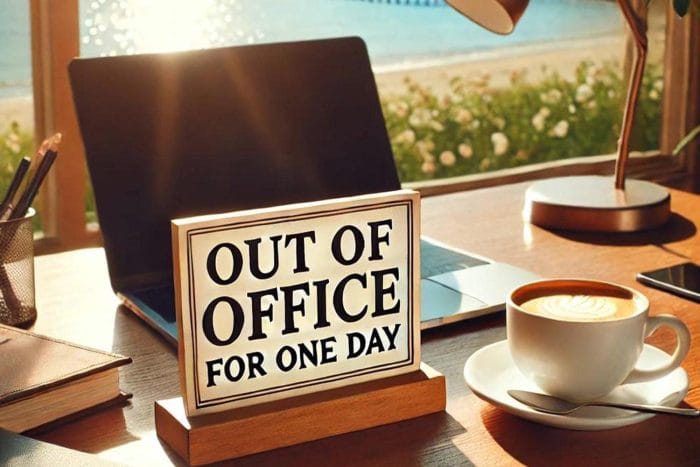
Modern workplaces run on fast communication, overflowing inboxes, and nonstop notifications. Recent workplace communication studies show that professionals receive more than 100 emails per day on average, while many workers check messages even outside office hours. That makes a well-written half day out-of-office message more important than most people realize. A short auto-reply is not just a courtesy anymore. It helps manage expectations, reduces confusion, protects productivity, and keeps communication professional even when you are temporarily unavailable.
Whether you are leaving early for an appointment, taking a half-day vacation, attending a family event, or simply stepping away from work for a few hours, the right message matters. A polished response tells colleagues and clients when you will return, who to contact in urgent situations, and how quickly they can expect a response. At the same time, it can reflect your personality, professionalism, and workplace culture.
This guide covers everything you need to know about writing the best out-of-office messages for half day leave. You will find professional templates, funny examples, polite responses, simple auto-replies, and smart writing tips that make your message clear and effective.
Quick Jump
Why Half Day Out-Of-Office Messages Matter More Than Ever
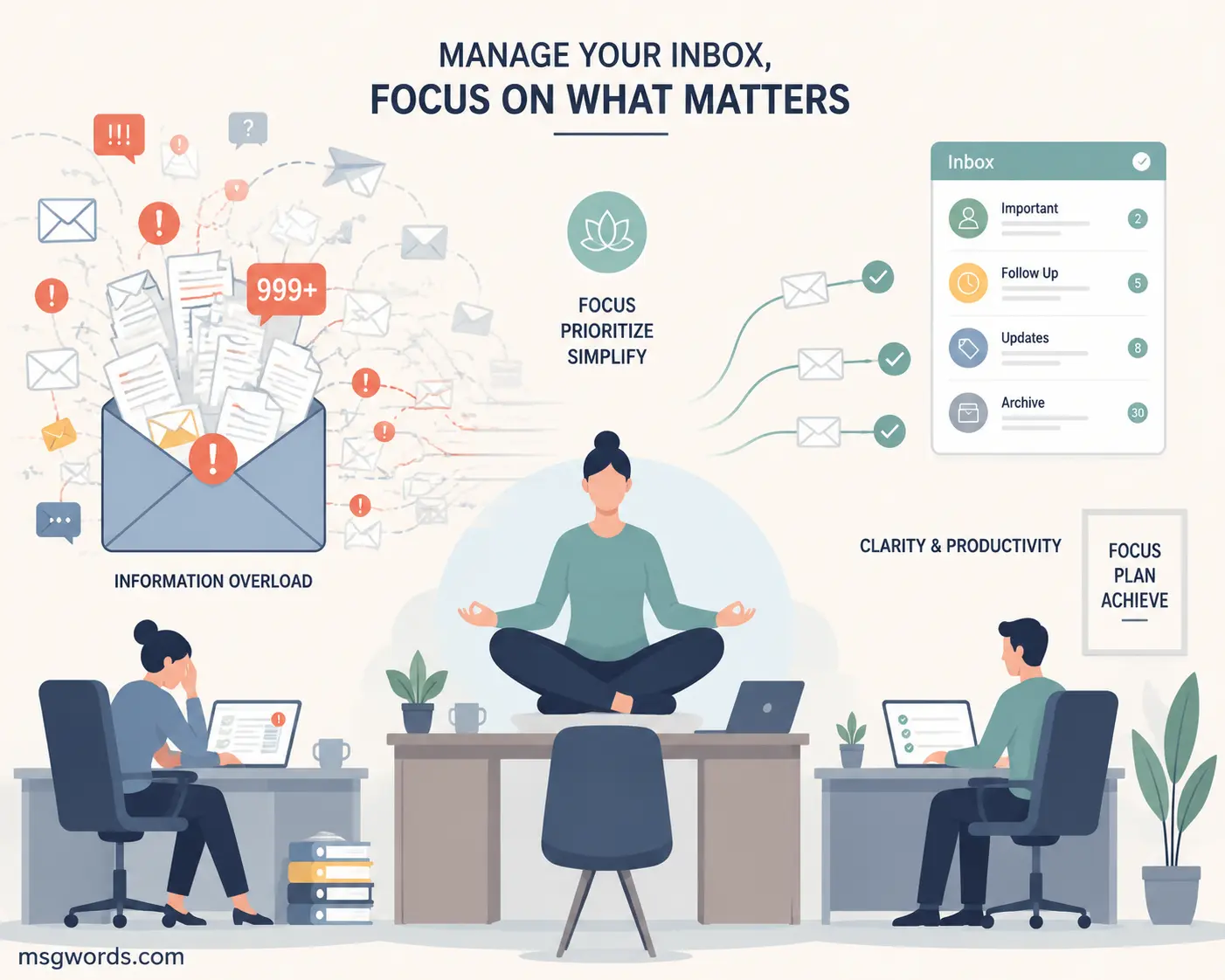
The modern workplace feels a bit like an airport control tower. Emails are constantly arriving, chat notifications blink every few minutes, and everyone expects quick replies. Studies published in 2025 revealed that employees receive around 117 emails daily and are interrupted hundreds of times during the workday through messages, calls, and notifications. In that kind of environment, even a few hours away from your desk can create confusion if people do not know where you are.
A half day out-of-office message acts like a digital receptionist. It quietly informs others that you are temporarily unavailable while still keeping communication smooth and professional. Imagine a client emailing you with an urgent question at 2 PM while you left the office at noon for a medical appointment. Without an auto-reply, the client may assume you are ignoring them. With a clear message, expectations are managed immediately.
There is also a productivity angle to this. Research from workplace communication reports shows that poor communication wastes hours every week for many employees. A simple auto-reply can prevent unnecessary follow-up emails, repeated calls, and misunderstandings. It creates transparency, and transparency builds trust.
Another reason these messages matter is work-life balance. Professionals increasingly struggle with the “always available” culture, where employees feel pressured to respond instantly. Setting an away message for even a half-day establishes boundaries politely. It sends the signal that stepping away for personal needs is normal and healthy, not something that requires an apology.
What Makes a Good Half Day Out-Of-Office Message
Writing an effective office away message for half day leave is a balancing act. You want the message to be informative without sounding robotic, professional without being cold, and brief without leaving out important details. Think of it like writing a sticky note for your office door. It should answer the obvious questions before anyone even asks them.
A strong half-day out-of-office message usually includes four important elements:
Element
Purpose
Availability status
Tells people you are away
Return time
Explains when you will respond
Alternative contact
Helps with urgent matters
Polite closing
Maintains professionalism
The best messages sound natural. Many employees make the mistake of writing stiff, overly formal replies that feel copied from an old corporate handbook. Others go too casual and leave out critical information. The sweet spot lies somewhere in the middle. For example:
“Thank you for your email. I am currently out of the office for the afternoon and will return tomorrow morning. I will respond as soon as possible upon my return.”
Simple. Clear. Effective.
One major mistake people make is oversharing. Your coworkers do not need a full explanation of your dentist appointment or family plans. A short mention of being unavailable is enough. Another common problem is forgetting to include a backup contact for urgent matters. If your role involves customer service or client communication, always provide another person people can contact.
Tone matters too. A finance executive sending messages to international clients will likely need a formal tone, while a creative startup employee may use humor comfortably. Context shapes the message, much like choosing clothes for different occasions.
Professional Out Of Office Messages for Half Day
Professional messages are the workplace equivalent of a clean handshake. They create confidence, reliability, and clarity. These are especially useful in corporate environments, client-facing roles, or industries where professionalism is expected at all times.
Here are several polished examples of professional out of office messages for half day leave:
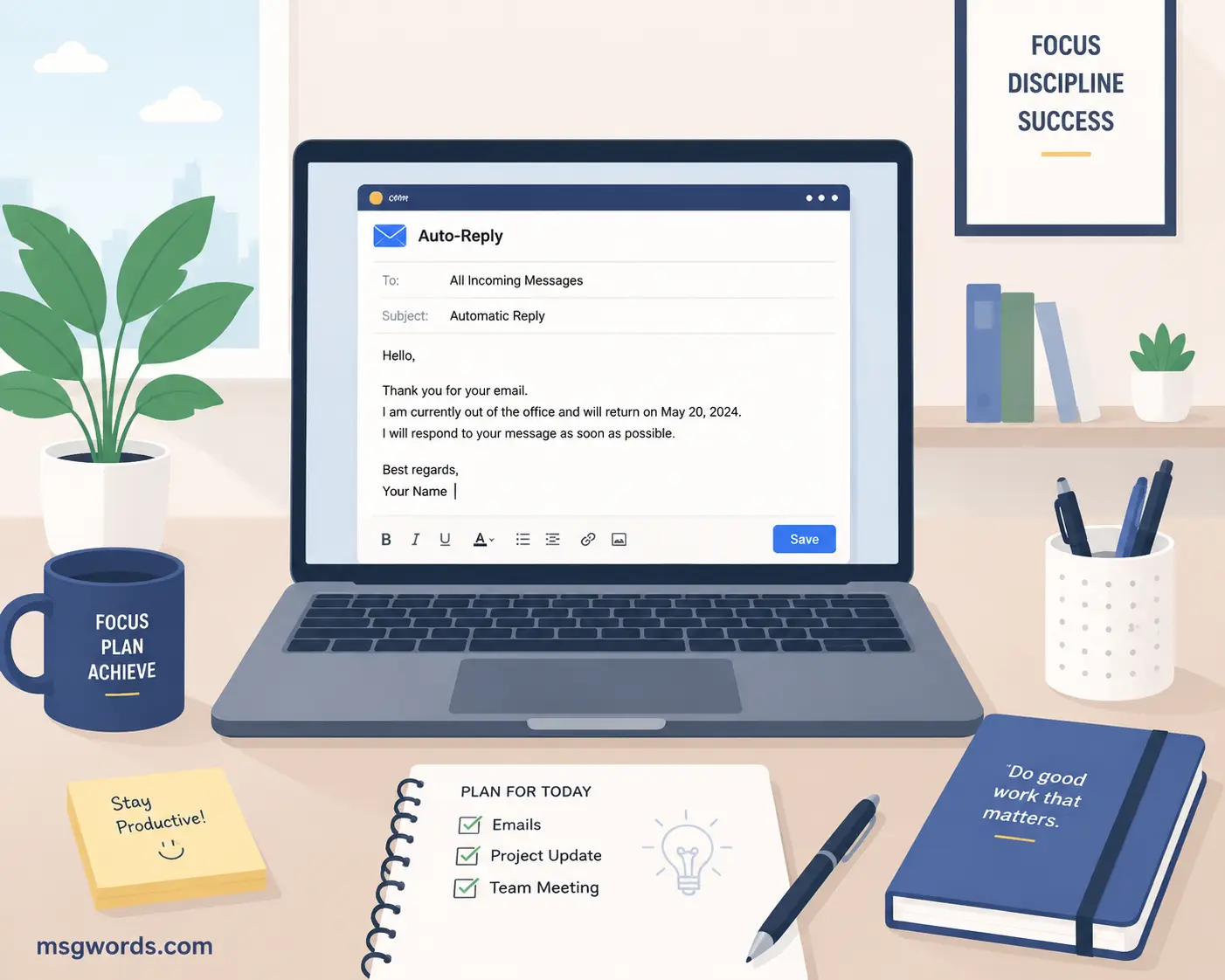
Thank you for your email. I am currently out of the office for the remainder of the day and will return tomorrow morning. I will respond to your message as soon as possible upon my return.
For urgent matters, please contact my colleague at the office.
Best regards,
[Your Name]
Hello,I am away from my desk for the afternoon and will have limited access to email. I will respond to your message by the next business day.
Thank you for your patience.
Regards,
[Your Name]
These messages work because they are direct and respectful. They do not sound defensive or overly complicated. In professional communication, simplicity often creates the strongest impression.
Client-focused messages may need slightly more detail because external contacts rely heavily on responsiveness. A customer or business partner should never feel abandoned. For example:
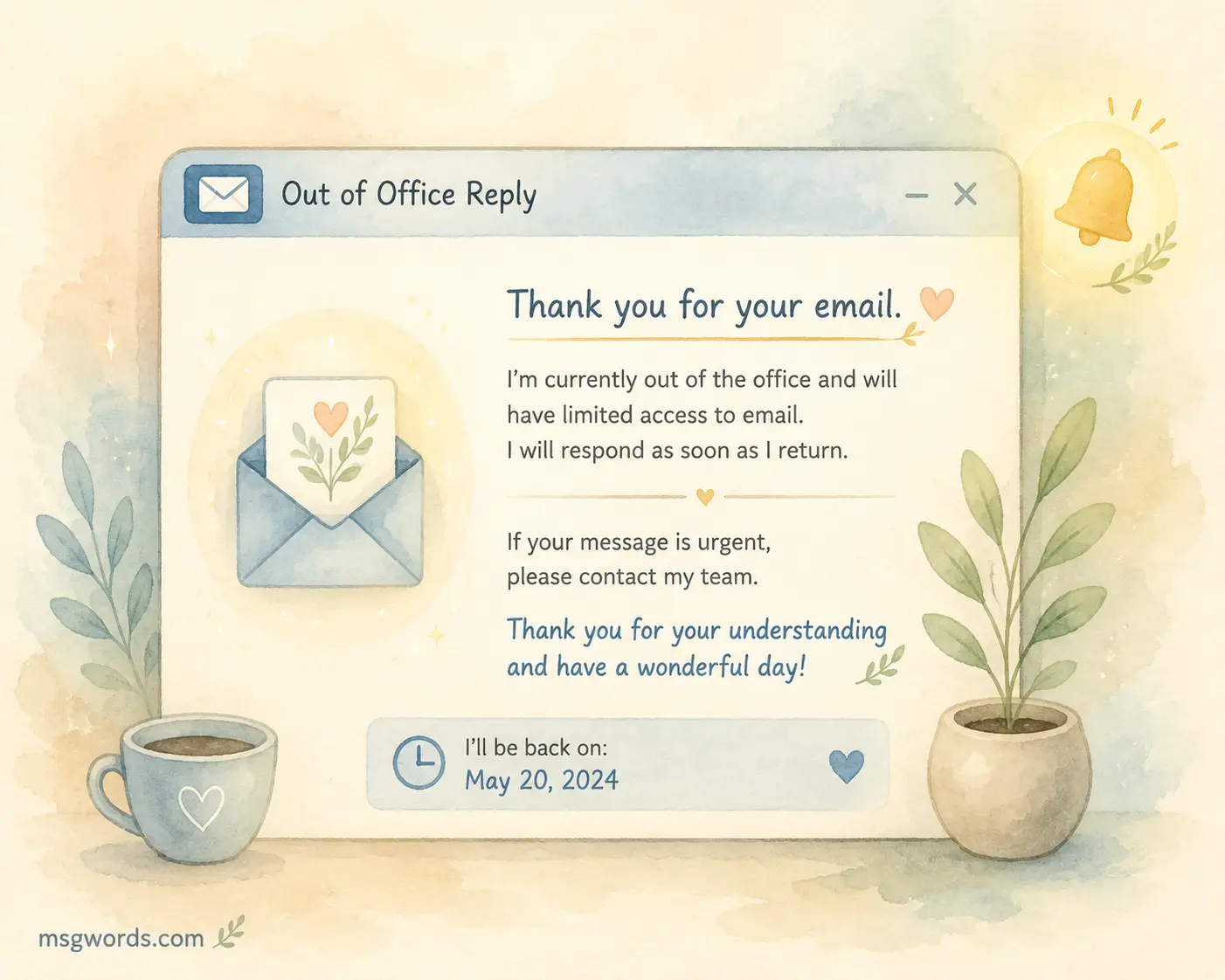
“Thank you for reaching out. I am currently out of the office for a half-day leave and will return tomorrow at 9 AM. If your matter is urgent, please contact our support team.”
Notice how the wording reassures the sender immediately. It acknowledges the message, sets expectations, and offers help if needed.
Professional auto-replies also help preserve brand image. In many industries, communication quality directly affects customer trust. A rushed or careless away message can unintentionally make a business appear disorganized.
Sometimes less really is more. Not every situation requires a long explanation. Short messages work especially well for internal communication, busy teams, or fast-paced environments where people simply need a quick status update.
A strong short out-of-office message for half day leave should still include the essentials. Think of it like a road sign. It needs to guide people quickly without overwhelming them.
Here are some concise examples:
I am out of the office this afternoon and will reply tomorrow.
Away for the remainder of the day. I will respond soon.
Currently unavailable for the afternoon. Back tomorrow morning.
Half-day leave today. Replies may be delayed.
Out this afternoon with limited email access.
Short messages are surprisingly powerful because they respect the reader’s time. Many professionals receive dozens of automated emails daily, so a concise response often feels refreshing.
The challenge with short replies is avoiding vagueness. Saying “Away from desk” without mentioning when you will return can frustrate senders. Even brief messages should provide a timeframe whenever possible.
Quick one-line replies are especially common in remote and hybrid work environments. Studies show that workplace communication tools continue growing rapidly, with teams relying heavily on email, chat apps, and remote collaboration platforms. In such environments, short updates help keep communication efficient without adding unnecessary clutter.
Funny Out Of Office Messages for Half Day
A little humor can turn a boring automated email into something memorable. Funny out-of-office messages work best in relaxed company cultures, creative industries, or teams where personality is encouraged. The key is balance. Humor should make people smile, not cringe.
Think of funny away messages like seasoning in food. Too little feels bland, but too much ruins the dish.
Here are some entertaining examples:
I’m out of the office for the afternoon pretending to have work-life balance. I’ll reply when I return tomorrow!
Currently away from my desk and probably searching for coffee or sunshine. I’ll get back to you tomorrow morning.
I’m out for a half-day break. My inbox and I are taking some much-needed personal space. I’ll respond soon.
Funny messages work because they humanize workplace communication. Inboxes are usually filled with robotic language, so a little personality stands out. At the same time, avoid jokes that could sound offensive, sarcastic, or unprofessional.
A safe rule is to keep humor light and relatable. Coffee jokes, weather jokes, or comments about surviving meetings are generally harmless. Avoid anything political, controversial, or overly personal.
Humorous messages can also improve workplace culture. Research into communication and productivity suggests that tone significantly impacts how messages are interpreted. A friendly, cheerful auto-reply can make communication feel more approachable and less transactional.
Simple Out Of Office Messages for Half Day
Not everyone wants creativity or corporate polish. Sometimes you just need a practical message that gets the job done without fuss. That is where simple out-of-office messages for half day leave come in.
Simple messages are easy to create, easy to read, and easy to reuse. They work well for employees at all levels because they remove guesswork entirely.
Examples include:
Thank you for your email. I am away this afternoon and will reply tomorrow.
I am currently out of the office for half a day.
Out this afternoon with limited access to email.
I will return tomorrow morning and respond then.
Away from the office for the remainder of the day.
These replies are especially helpful for beginners who are unsure how formal their workplace communication should be. Simplicity reduces the risk of sounding awkward or overcomplicated.
Simple messages also align with modern communication habits. Many professionals prefer shorter, clearer workplace interactions because inbox overload has become such a widespread issue. People appreciate messages that communicate the essentials quickly.
There is also something psychologically reassuring about clear communication. Imagine calling a restaurant and immediately hearing accurate business hours instead of a confusing recording. A simple away message creates that same sense of certainty for colleagues and clients.
Polite Out Of Office Messages for Half Day
Politeness never goes out of style. A respectful tone helps maintain strong professional relationships, especially when communicating with clients, customers, managers, or senior leadership.
Polite messages often include appreciation, warmth, and reassurance. They sound considerate rather than mechanical.
Here are several examples:
“Thank you for your message. I am currently out of the office for the afternoon and will respond as soon as possible upon my return tomorrow.”
“I appreciate your email. I am unavailable for the remainder of today but will reply promptly tomorrow morning.”
“Thank you for your patience while I am away for a half-day leave. I will get back to you shortly.”
The beauty of polite language is that it softens inconvenience. Even if someone cannot get an immediate response, kindness makes delays feel more acceptable.
Customer-facing industries benefit enormously from this approach. Clients often judge businesses based on communication quality alone. A warm and thoughtful auto-reply can subtly reinforce trust and professionalism.
Politeness also matters internally. Workplace communication studies continue showing that misunderstandings and poor tone create stress and reduce productivity. A courteous message prevents unnecessary friction and helps maintain positive team relationships.
Half Day Leave Auto Reply Messages
Half-day leave situations vary widely. Sometimes you are attending a doctor’s appointment. Other times you are leaving for personal errands, family responsibilities, or unexpected emergencies. Your message should reflect the situation without oversharing details.
For planned leave:
“Thank you for your email. I am on half-day leave this afternoon and will respond tomorrow morning.”
For medical appointments:
“I am currently out of the office for a scheduled appointment and will return tomorrow.”
For emergencies:
“I am unexpectedly away from the office this afternoon with limited email access. I will respond as soon as possible.”
Emergency messages should stay brief and professional. You do not need to explain private circumstances. Think of your away message as a curtain, not a glass window. It should provide enough visibility without exposing everything behind it.
Some workplaces also use away messages strategically to protect focus time. Research shows employees lose productivity from constant interruptions and excessive communication. Even a planned half-day leave can become stressful if coworkers continue expecting immediate responses. An auto-reply creates a communication boundary that supports concentration and personal time.
Half-day leave messages are particularly important in remote work environments where coworkers cannot physically see that someone has left for the day. Without visibility, communication assumptions become more common.
Vacation-related half-day messages usually sound lighter and more relaxed. People often use these when leaving early for travel, family gatherings, or personal downtime.
Examples include:
“Thank you for your message. I am currently away for a half-day vacation and will respond tomorrow.”
“I’m out of the office this afternoon enjoying a short break and will return tomorrow morning.”
“I’m currently away from email for the remainder of the day and will reply upon my return.”
Vacation messages should still maintain professionalism, especially if external contacts receive them. Even cheerful wording should remain polished.
Travel-related messages sometimes include limited availability details. For example:
“I am traveling this afternoon and may have delayed access to email. I will respond as soon as possible tomorrow.”
This wording helps manage expectations realistically. Nobody likes uncertainty in communication. Clear timelines reduce frustration and help people plan accordingly.
There is also a growing cultural shift toward healthier work boundaries. Research increasingly highlights the importance of disconnecting from constant communication to maintain productivity and mental focus. A simple vacation auto-reply quietly reinforces that stepping away from work is normal and acceptable.
Best Practices for Writing Effective Office Away Messages
A great office away message for half day leave combines clarity, professionalism, and efficiency. While templates help, understanding the underlying principles makes your messages much stronger.
First, always include a return timeframe. People mainly want to know when they can expect a reply. Even something simple like “back tomorrow morning” creates reassurance.
Second, match the tone to the audience. Internal team chats may allow humor, while client-facing communication often requires more professionalism. Think of it like choosing music for different occasions. The same song does not fit every event.
Third, avoid unnecessary details. Your away message is not a diary entry. Keep personal information minimal and focus on communication needs instead.
Fourth, consider including alternative contacts for urgent matters. This is especially important in customer service, management, or collaborative team roles.
Timing also matters. Activate your auto-reply before leaving, not afterward. Otherwise, important emails arriving during your absence may go unanswered without explanation.
Finally, reread your message before enabling it. Small typos or unclear wording can make an otherwise professional response look careless. In communication, tiny details often create the biggest impressions.
The best away messages feel effortless. They quietly guide communication while respecting everyone’s time. Like a well-designed road map, they help people navigate smoothly without confusion.
Conclusion
A strong half day out-of-office message may seem like a tiny workplace detail, but it plays a surprisingly important role in modern communication. In a world where inboxes overflow and response expectations continue rising, even a few hours away from work can create uncertainty without clear communication.
Professional messages build trust. Funny messages add personality. Simple messages save time. Polite messages strengthen relationships. The best approach depends on your workplace culture, audience, and communication style.
Whether you need a corporate auto-reply, a casual half-day leave response, or a clever vacation message, the key is clarity. Tell people you are unavailable, explain when you will return, and provide guidance if something is urgent.
At the end of the day, a good out-of-office message is like leaving the porch light on when you step out for a while. It reassures people that you are not gone forever; just temporarily away.
FAQs
1. What is the best professional out-of-office message for half day leave?
A professional message should clearly state your absence, return time, and response expectations. Example: “Thank you for your email. I am currently out of the office for the afternoon and will respond tomorrow morning.”
2. How do I write a short half-day auto-reply?
Keep it simple and direct. Example: “Out of the office this afternoon. I’ll reply tomorrow.”
3. Can I use funny out-of-office messages at work?
Yes, if your workplace culture allows it. Keep humor light, professional, and non-offensive.
4. Should I include the reason for my half-day leave?
Not necessarily. A simple statement that you are unavailable is usually enough unless your workplace specifically requires more detail.
5. What should I include in an urgent contact section?
Provide the name or department people should contact if immediate assistance is needed. Example: “For urgent matters, please contact our support team.”
Jasper Cade is a 27-year-old American writer living in Fort Collins, Colorado. His professional background includes blogging, SEO writing, and developing informative content across a variety of niches. He is passionate about transforming complex subjects into practical advice while maintaining high editorial standards and factual accuracy. As a contributor to msgwords.com, Jasper is dedicated to producing dependable content that serves readers with clarity and integrity.