A simple “thank you” can change the atmosphere of an office faster than a free coffee machine on a Monday morning. Professional gratitude is no longer just good manners; it has become a powerful communication tool that strengthens workplace relationships, builds trust, and improves collaboration. In today’s fast-moving professional world, where deadlines pile up and inboxes never sleep, people often underestimate how deeply appreciation affects motivation and morale. A thoughtful thank you message can make someone feel seen, valued, and respected in ways that salary increases alone sometimes cannot achieve.
Recent workplace studies reveal just how important appreciation has become. Research published by workplace and management organizations found that employee recognition directly contributes to higher productivity, stronger loyalty, and reduced turnover. One 2025 survey reported that 99% of employers believe employee recognition is important, while 93% said it significantly boosts loyalty. Those numbers tell a clear story: gratitude is not fluff. It is strategy.
Think about your own professional experiences for a moment. Have you ever worked extra hours on a project and received sincere recognition afterward? Chances are you felt energized and motivated. On the flip side, when hard work goes unnoticed, frustration creeps in quietly like a leaking faucet. Over time, that frustration grows. Professional thank you messages bridge this emotional gap. They create stronger human connections in environments that can sometimes feel mechanical and transactional.
This guide covers everything from short professional thank you messages to heart touching professional gratitude messages, including messages for colleagues, bosses, clients, and formal corporate situations. Whether you are sending a quick email, writing a handwritten note, or crafting a polished business message, you will find practical examples and expert insights that help your gratitude sound genuine instead of robotic.
Quick Jump
Why Professional Thank You Messages Matter in Today’s Workplace
Professional appreciation has evolved from being optional politeness into a key ingredient of healthy workplace culture. Many companies now recognize that employees and clients want more than transactions; they want acknowledgment. According to workplace recognition studies, appreciation increases engagement, improves communication, and even encourages organizational citizenship behavior among employees. In simpler terms, people naturally contribute more when they feel appreciated.
The interesting thing about gratitude is that it costs almost nothing, yet its emotional value can be enormous. Imagine appreciation as sunlight for workplace relationships. Without it, motivation slowly withers. With it, collaboration grows naturally. Employees who feel recognized often become more creative, more committed, and more willing to help others. Appreciation also improves trust between management and staff, something many organizations struggle to maintain.
Experts in organizational leadership have found that thoughtful gratitude works far better than generic praise. A rushed “thanks” tossed into an email may not have much impact. But when someone receives a personalized thank you message that specifically mentions their contribution, the effect becomes much stronger. Researchers from the University of Colorado Boulder emphasized that “responsive gratitude” creates deeper appreciation because it acknowledges the individual personally rather than offering generic compliments.
Professional thank you messages also play a major role in external business relationships. Clients who feel appreciated are more likely to remain loyal and recommend services to others. In competitive industries, this emotional connection can be a secret advantage. Businesses spend thousands on marketing campaigns while sometimes overlooking the simple power of a meaningful thank you note.
Another reason gratitude matters today is the rise of remote and hybrid work environments. Digital communication can often feel cold or transactional. A warm thank you message adds humanity back into conversations. It reminds coworkers and clients that behind every screen is a real person contributing effort and time. In many ways, appreciation acts like social glue that keeps professional relationships connected despite physical distance.
Essential Elements of a Professional Thank You Message
Writing a professional thank you message may seem simple, but crafting one that feels authentic requires attention to detail. The difference between a memorable thank you note and a forgettable one usually comes down to sincerity, specificity, and tone. Think of a professional thank you message like a tailored suit. Generic messages fit nobody perfectly, while personalized appreciation creates a lasting impression.
The first important element is clarity. Avoid overcomplicated language or dramatic exaggeration. Professional gratitude works best when it sounds natural and direct. For example, saying, “Thank you for staying late to help finalize the presentation yesterday,” feels much more genuine than a vague statement like, “Thanks for everything.” Specificity shows that you noticed the effort, and people appreciate being truly recognized rather than generally acknowledged.
Tone also matters tremendously. A thank you message to a colleague may sound warm and conversational, while a formal message to a client or executive should maintain polished professionalism. The key is balancing friendliness with respect. Too formal, and the message may feel stiff. Too casual, and it can appear unprofessional. Finding that middle ground is what makes appreciation sound human.
Timing is another overlooked factor. Gratitude loses impact when delayed too long. Sending appreciation soon after the action or achievement keeps the emotional connection fresh. Imagine applause arriving three weeks after a performance; it would feel strange and disconnected. Timely thank you messages create immediate positive reinforcement.
Personalization transforms an ordinary note into a meaningful one. Mentioning a person’s qualities, contributions, or impact demonstrates emotional intelligence. Workplace experts consistently emphasize that thoughtful and responsive appreciation has a greater effect on morale than repetitive generic praise. People want to feel understood, not processed through a template machine.
Finally, brevity can sometimes be powerful. Not every professional thank you message needs to become a novel. Short, heartfelt messages often work exceptionally well when they are authentic. A concise statement filled with sincerity can sometimes resonate more deeply than an overly elaborate paragraph.
Short Professional Thank You Messages
Short professional thank you messages are the espresso shots of workplace communication: small, powerful, and energizing. In busy professional settings, people often appreciate concise messages that quickly communicate gratitude without consuming too much time. Whether you are sending a Slack message, replying to an email, or writing a note after a meeting, short appreciation messages can leave a surprisingly strong impression.
Here are some excellent examples of short professional thank you messages:
Thank you for your support and guidance.
I truly appreciate your time and effort.
Your help made a huge difference today.
Thank you for always being reliable.
I appreciate your professionalism and dedication.
Your support means a lot to me.
Thank you for your valuable contribution.
I’m grateful for your continued assistance.
Thank you for going above and beyond.
Your hard work never goes unnoticed.
The beauty of short gratitude messages lies in their versatility. They fit naturally into emails, meeting follow-ups, project updates, and even instant messaging platforms. In fast-paced work environments, concise communication often feels more genuine because it gets straight to the point without sounding overly rehearsed.
Short appreciation messages also work especially well in leadership roles. Managers who consistently acknowledge small wins create healthier workplace cultures. Employees do not always expect grand speeches or formal recognition ceremonies. Sometimes a quick, thoughtful sentence can lift morale significantly. Research on workplace appreciation shows that employees who feel recognized are more engaged and loyal to organizations.
One important trick when writing short thank you messages is to avoid sounding robotic. Even a brief sentence should include warmth. Compare these two examples:
Thanks.
Thank you for helping me handle the client meeting today.
The second message feels personal and intentional. It acknowledges a specific contribution, making the appreciation more meaningful.
Short professional thank you messages are also useful during stressful projects or tight deadlines. A quick expression of gratitude can ease tension and remind people that their efforts are valued. In many workplaces, appreciation functions like oil in a machine. It reduces friction, improves teamwork, and helps everything run more smoothly.
Heart Touching Professional Thank You Messages
Sometimes a standard thank you is not enough. Certain professional relationships involve mentorship, loyalty, encouragement, or support during difficult moments. In those situations, heart touching professional thank you messages create emotional resonance while still maintaining professionalism. These messages go beyond politeness and express genuine appreciation for someone’s impact.
Consider how powerful recognition can feel when it acknowledges not only work performance but also emotional support and encouragement. A boss who believed in your potential, a colleague who stood beside you during a stressful project, or a client who trusted your expertise during uncertain times deserves more than a routine “thanks.”
Here are a few examples:
“Your guidance and encouragement have had a lasting impact on my professional journey. Thank you for believing in me and always pushing me toward growth.”
“I sincerely appreciate your support during one of the most challenging projects we’ve faced. Your calm leadership and positivity made all the difference.”
“Working with you has taught me the value of dedication, patience, and teamwork. Thank you for being such an inspiring professional.”
“Your kindness and willingness to help never go unnoticed. I’m genuinely grateful for your support and encouragement.”
Heart touching professional messages work best when they remain authentic. Forced emotional language can sound artificial. Think of appreciation like seasoning in food: too little makes it bland, but too much can overwhelm the dish. Balance is essential.
One reason heartfelt gratitude matters so much is because many employees feel underappreciated at work. Studies show that lack of recognition negatively affects morale and even contributes to employee turnover. A sincere thank you message can help counter that emotional disconnect by making people feel respected and valued.
Emotionally meaningful gratitude also strengthens long-term professional relationships. People tend to remember how others made them feel. Years later, someone may forget the details of a meeting or project, but they will often remember thoughtful appreciation. That emotional memory builds trust and loyalty over time.
Another advantage of heartfelt professional messages is their ability to humanize workplace communication. Offices can sometimes become overly focused on performance metrics, deadlines, and productivity targets. Genuine gratitude reminds people that workplaces are communities built by human effort, collaboration, and emotional connection.
Appreciation Professional Thank You Messages
Appreciation-focused professional thank you messages are especially useful for recognizing teamwork, leadership, mentorship, and dedication. These messages highlight not just a completed task but the value a person brings to the organization or team. Appreciation messages can inspire confidence, reinforce positive behavior, and strengthen workplace culture.
A good appreciation message often includes three important ingredients: acknowledgment, impact, and sincerity. Acknowledge what the person did, explain why it mattered, and express genuine gratitude. This structure makes appreciation feel meaningful rather than routine.
Here are some examples of appreciation professional thank you messages:
“Thank you for consistently bringing positivity and professionalism to the team. Your dedication inspires everyone around you.”
“I truly appreciate your willingness to share your expertise and support others. Your teamwork has made a tremendous difference.”
“Your hard work and commitment played a major role in our project’s success. Thank you for always giving your best effort.”
“I’m grateful for your mentorship and encouragement. Your advice has helped me grow both personally and professionally.”
One fascinating aspect of workplace appreciation is how differently people prefer to receive it. Organizational researchers found that some individuals value public recognition and career opportunities, while others appreciate personal gestures and thoughtful messages. This means effective appreciation often depends on understanding the recipient’s personality and preferences.
Appreciation messages are particularly valuable during high-pressure periods. When deadlines tighten and stress increases, employees may begin feeling invisible or exhausted. Recognition acts like emotional fuel during these moments. A thoughtful thank you message reassures people that their effort matters and that leadership notices their contributions.
Professional appreciation also benefits company culture overall. Organizations that encourage gratitude often experience stronger collaboration and lower turnover rates. Employees who feel valued are more likely to remain loyal and motivated. In many ways, appreciation functions like a multiplier effect. One sincere message can improve morale far beyond the individual recipient.
Appreciation should not only flow downward from managers to employees. Peer-to-peer recognition is equally important. Colleagues who express gratitude build stronger teamwork and create healthier communication habits. Even small acknowledgments can transform workplace dynamics over time.
Professional Thank You Messages for Colleague
Colleagues are the people who help us survive stressful deadlines, difficult meetings, endless email chains, and chaotic Monday mornings. Professional relationships with coworkers often shape daily workplace experiences more than company policies do. That is why professional thank you messages for colleagues matter so much. A thoughtful note can strengthen collaboration, improve morale, and create stronger workplace friendships without crossing professional boundaries.
Here are several examples:
“Thank you for always being dependable and supportive. Working with you makes even the busiest days easier.”
“I appreciate your teamwork and positive attitude throughout the project. Your contribution truly helped us succeed.”
“Your willingness to step in and help whenever needed never goes unnoticed. Thank you for being such a valuable colleague.”
“Thank you for sharing your knowledge and experience so generously. I’ve learned a lot from working with you.”
“Your encouragement during stressful moments has meant more than you realize. I’m grateful to have you as a colleague.”
Coworker appreciation is especially important in collaborative environments where success depends on teamwork. Studies on workplace communication consistently show that recognition improves trust and strengthens organizational relationships. When colleagues feel appreciated, they are often more willing to cooperate, communicate openly, and support one another.
Farewell situations also provide meaningful opportunities for gratitude. When a coworker retires, transfers departments, or moves to another company, appreciation messages become emotional keepsakes. These moments remind people that professional relationships can have lasting personal impact.
For example:
“It has been a pleasure working alongside you. Your professionalism, kindness, and dedication have inspired everyone on the team. Wishing you continued success in your next chapter.”
The best colleague appreciation messages balance professionalism with warmth. You want the recipient to feel respected, valued, and personally acknowledged without sounding overly emotional or casual.
In remote work environments, colleague appreciation has become even more important. Without face-to-face interactions, simple thank you messages help maintain connection and positivity. A quick acknowledgment during a stressful week can feel surprisingly uplifting when teams are separated by screens and time zones.
Professional Thank You Messages for Boss
Writing a thank you message for a boss can sometimes feel intimidating. You want to sound respectful without appearing overly formal or insincere. The key is authenticity. Good leaders invest time, energy, mentorship, and trust into their teams, and acknowledging that effort strengthens professional relationships.
Here are some examples of professional thank you messages for boss:
“Thank you for your leadership, encouragement, and constant support. Your guidance has helped me grow professionally and personally.”
“I sincerely appreciate the trust you place in me. Your mentorship has been invaluable to my career development.”
“Thank you for recognizing my hard work and providing opportunities to grow within the organization.”
“Your leadership style creates a positive and motivating work environment. I’m grateful to be part of your team.”
“Thank you for always leading with professionalism, patience, and understanding.”
Boss appreciation messages are especially meaningful after promotions, successful projects, or career milestones. Recognizing a manager’s leadership demonstrates professionalism and emotional intelligence. It also reinforces mutual respect between leadership and employees.
One common mistake people make is sounding excessively flattering. Professional gratitude should feel sincere rather than exaggerated. A natural tone usually creates the strongest impact. Think of appreciation like a handshake. Too weak feels insincere, while too strong feels uncomfortable. Balance creates trust.
Research on workplace recognition emphasizes that appreciation contributes significantly to morale and loyalty. Managers who feel appreciated by their teams may also become more engaged leaders, creating a positive cycle of recognition throughout the organization.
It is also important to appreciate leadership during difficult periods, not only during successes. A boss who handles crises calmly, supports employees during stressful situations, or advocates for team growth deserves acknowledgment. Gratitude during challenging times often feels especially meaningful because it recognizes resilience and effort behind the scenes.
Professional thank you messages to bosses do not need to be lengthy. Even a concise message expressing respect and appreciation can strengthen workplace relationships significantly.
Professional Thank You Messages for Client
Clients are the heartbeat of every business. Without strong client relationships, even the most talented companies struggle to grow. That is why professional thank you messages for clients are essential. They build trust, strengthen loyalty, and create lasting business relationships.
A client who feels appreciated is far more likely to return, recommend your services, and maintain long-term partnerships. Gratitude in business works like relationship glue. It transforms transactions into connections.
Here are examples of effective client thank you messages:
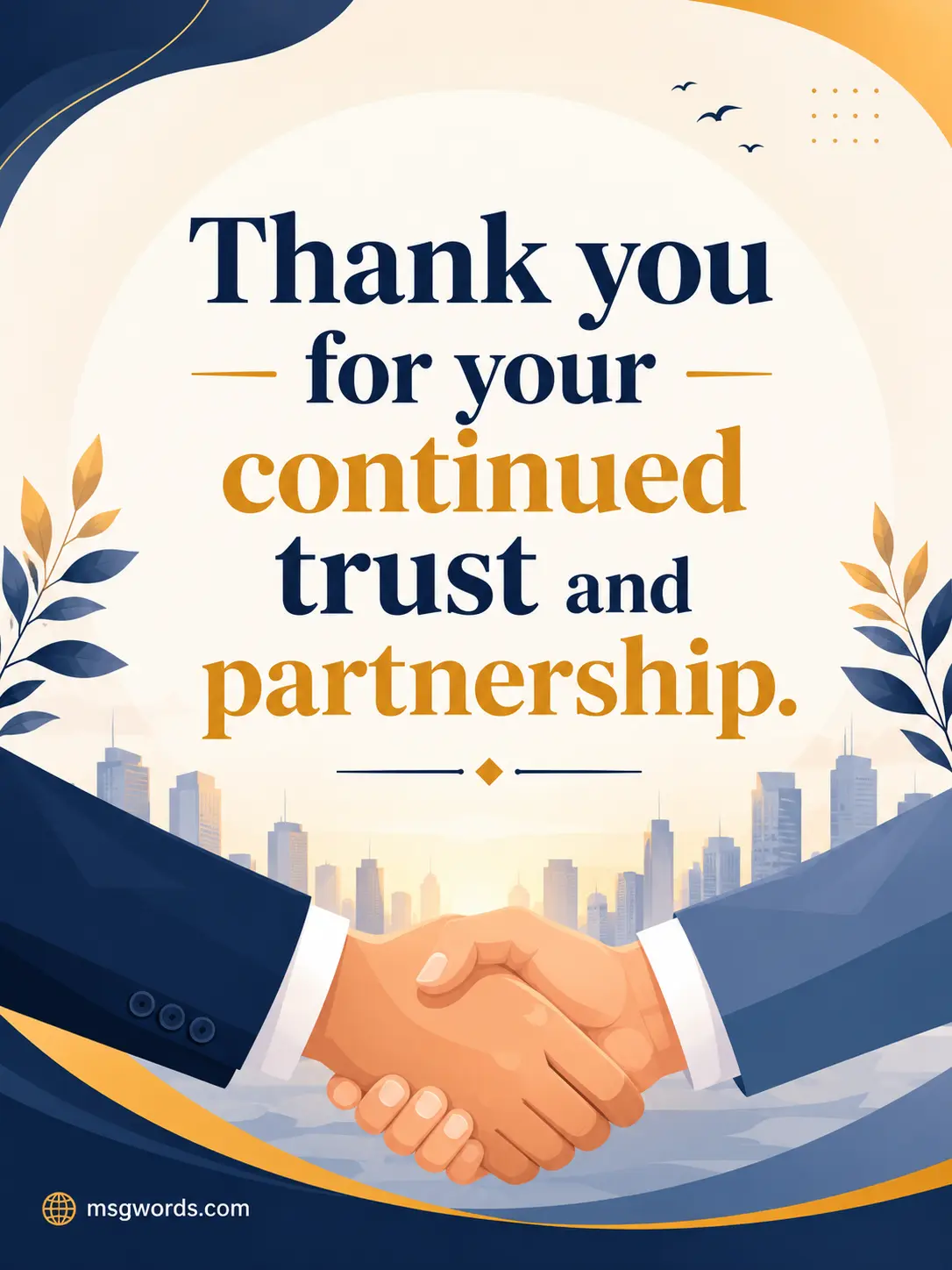
“Thank you for your continued trust and partnership. We truly value the opportunity to work with you.”
“We sincerely appreciate your business and look forward to continuing our successful collaboration.”
“Thank you for choosing our services. Your confidence in our team means a great deal to us.”
“It has been a pleasure working with you. We’re grateful for your support and partnership.”
“Your feedback and trust help us improve and grow. Thank you for being a valued client.”
Client appreciation messages are especially important after successful projects, renewals, referrals, or long-term partnerships. Small gestures of gratitude can differentiate your business in highly competitive industries.
One interesting reality about professional communication is that people remember emotional experiences more than technical details. Clients may forget every statistic from a presentation, but they will remember how respected and appreciated they felt during the relationship.
Formal client gratitude should always maintain professionalism while still sounding warm and human. Avoid robotic corporate language that feels copied from a generic template. Personalization creates stronger emotional impact.
For example:
“Thank you for your patience and collaboration throughout the project. Your clear communication and valuable insights helped make this partnership successful.”
This message feels far more genuine than a cold, overly formal sentence filled with buzzwords.
Businesses that consistently show appreciation often build stronger customer loyalty. Research repeatedly highlights the value of recognition and appreciation in maintaining relationships and improving satisfaction. In many ways, gratitude becomes part of brand identity.
Formal Thank You Messages
Formal thank you messages are ideal for executive communication, official business correspondence, corporate recognition, and high-level professional interactions. These messages maintain polished language while still expressing genuine gratitude.
Formal gratitude often appears in business emails, corporate letters, networking follow-ups, and professional acknowledgments after interviews or meetings. The goal is professionalism without emotional coldness.
Examples include:
“Please accept my sincere gratitude for your support and assistance throughout this process. Your professionalism and expertise are greatly appreciated.”
“I would like to extend my heartfelt thanks for your valuable contribution to the project’s success.”
“Thank you for your time, guidance, and continued support. Your insights have been extremely beneficial.”
“We deeply appreciate your partnership and look forward to continued collaboration in the future.”
Formal thank you messages should avoid slang, overly casual phrases, or excessive emotional language. However, they should still feel human. Imagine formal gratitude like elegant architecture: structured, polished, and intentional without becoming lifeless.
Professional email thank you messages are especially important after interviews, networking events, conferences, or business negotiations. A thoughtful follow-up note demonstrates professionalism, communication skills, and respect.
For example:
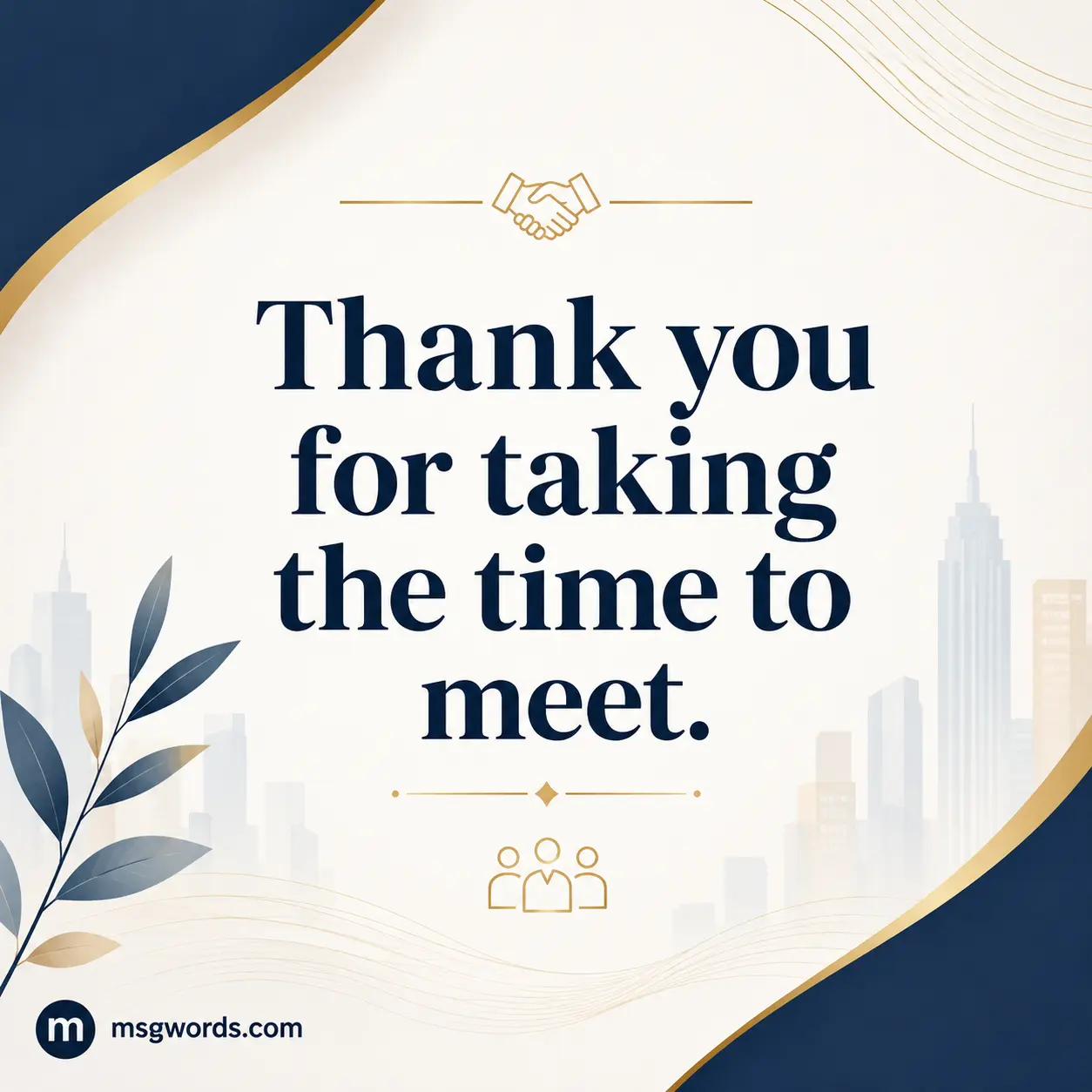
“Thank you for taking the time to meet with me today. I appreciated the opportunity to discuss the position and learn more about your organization. I value your insights and look forward to staying connected.”
This type of message leaves a polished and respectful impression while keeping communication warm and engaging.
Formal appreciation also plays a major role in executive leadership and corporate culture. Organizations that prioritize recognition often experience improved morale, engagement, and loyalty. Gratitude at leadership levels sets the tone for the entire company.
Conclusion
Professional thank you messages are far more powerful than many people realize. They strengthen workplace relationships, improve morale, encourage loyalty, and create healthier communication cultures. Whether you are writing a short thank you note to a colleague, expressing heartfelt appreciation to a mentor, thanking a boss for leadership, or recognizing a loyal client, genuine gratitude leaves a lasting impact.
The secret to meaningful appreciation is sincerity. People can instantly recognize when gratitude feels forced or generic. Personalized messages that acknowledge specific actions or qualities create stronger emotional connections and make recipients feel genuinely valued.
In today’s professional world, where stress, deadlines, and digital communication often dominate daily interactions, appreciation acts like emotional oxygen. It reminds people that their effort matters. It transforms routine professional exchanges into human connections built on trust and respect.
A thoughtful thank you message may only take a few minutes to write, but its impact can last for years.
FAQs
1. What is the best professional thank you message?
The best professional thank you message is sincere, specific, and concise. For example:
“Thank you for your support and guidance throughout the project. Your expertise and encouragement made a significant difference.”
2. How do you write a short professional thank you message?
Keep it simple and direct. Mention the action you appreciate and express gratitude clearly. Example:
“Thank you for your quick assistance today. I truly appreciate your help.”
3. Are professional thank you messages important in the workplace?
Yes. Workplace studies show that recognition improves morale, loyalty, engagement, and productivity. Appreciation helps employees and clients feel valued.
4. What should I avoid in formal thank you messages?
Avoid sounding overly emotional, robotic, or excessively flattering. Keep your message professional, warm, and authentic.
5. When should I send a professional thank you message?
You should send thank you messages after meetings, project completions, promotions, interviews, mentorship, client partnerships, or anytime someone contributes positively to your professional experience.
Callen Mercer is a 29-year-old American content writer based in Boise, Idaho. He has spent years creating well-researched articles focused on practical lifestyle and consumer topics, combining thorough research with clear, reader-friendly writing. His experience working with digital publishers has strengthened his commitment to accuracy, transparency, and trustworthy content. As a regular contributor to msgwords.com, Callen enjoys helping readers make informed decisions through reliable and engaging articles.