Leaving a job feels a little like closing the final page of a long novel. Some chapters were exciting, some stressful, and some unforgettable. Whether you are stepping into a better opportunity, changing careers, relocating, or simply taking a break, the way you say goodbye matters more than most people realize. A thoughtful thank-you message can preserve professional relationships, strengthen your reputation, and leave behind a lasting positive impression.
Recent workplace studies show that employee recognition and gratitude continue to play a major role in workplace culture and long-term professional networking. According to , employees who regularly feel appreciated are significantly more engaged and productive at work. Career experts also emphasize that the “final impression” you leave after resigning often shapes how colleagues remember you long after you walk out the door.
This guide explores the best thank you messages when leaving job situations arise. From professional goodbye notes to emotional messages for coworkers and humorous farewell texts that lighten the mood, you’ll find everything you need to craft the perfect farewell.
Quick Jump
Why Thank You Messages Matter When Leaving a Job
Walking away from a workplace without saying thank you is a little like leaving a dinner party without saying goodbye to the host. Technically, you can do it, but it leaves behind an awkward silence. A farewell thank-you message is more than workplace etiquette. It reflects emotional intelligence, professionalism, and maturity. People remember how you made them feel, especially during moments of transition. A simple note of appreciation can become the bridge between your past career and future opportunities.
The modern workplace is heavily connected through networking platforms, references, and long-term professional relationships. That coworker you joke with during lunch today may become your hiring manager three years from now. Your manager might recommend you for an incredible role later in your career. Experts increasingly stress the importance of maintaining strong professional relationships during resignation periods because reputation travels faster than résumés.
The Psychological Impact of Gratitude in the Workplace
Gratitude has become a major workplace trend in recent years because organizations now understand that appreciation improves morale and productivity. Research highlighted by workplace recognition platforms shows that employees who feel appreciated are more engaged and less likely to experience burnout. That same emotional effect works during farewells too. When you thank people sincerely, you reinforce positive memories associated with your time at the company.
Think about it this way. Your farewell message becomes the emotional “closing scene” of your professional story there. Even if your job had difficult moments, a respectful goodbye creates closure. It softens tension, strengthens goodwill, and helps everyone move forward positively. In many cases, coworkers remember a thoughtful farewell message years after someone leaves because it demonstrates humanity in a corporate environment often dominated by deadlines and meetings.
How Farewell Messages Protect Professional Relationships
Professional relationships are investments, not transactions. Sending a thank-you message when leaving helps preserve those investments. You may no longer share office space or Zoom meetings, but the professional world is surprisingly small. Industries overlap constantly. Recruiters call former colleagues. Recommendations matter. Future collaborations happen unexpectedly.
Career advisors increasingly recommend what they call the “alumni mindset,” which means treating your departure like graduation rather than escape. Instead of disappearing quietly, professionals are encouraged to leave gracefully and maintain positive connections. This approach protects your reputation while also strengthening your professional network. A thoughtful thank-you note becomes part of your personal brand.
Professional Thank You Messages When Leaving Job
Professional thank-you messages should sound polished, respectful, and warm without becoming overly emotional. They work best when sent to managers, clients, leadership teams, or large groups of coworkers. The key is balance. You want to sound appreciative and authentic while maintaining professionalism.
Here are several examples of professional thank-you messages:
Thank You and Farewell Dear Team,As I prepare for my final days here, I want to sincerely thank each of you for the support, collaboration, and encouragement you’ve shown me throughout my time with the company.
Working alongside such talented professionals has been both inspiring and rewarding. I’ve learned valuable lessons, built meaningful relationships, and created memories I will always appreciate.I’m grateful for the opportunities, challenges, and teamwork we shared together. While I’m excited for the next chapter in my journey, I will truly miss being part of this amazing team.
Wishing you all continued success and hoping our paths cross again in the future.
Thank you once again for everything.
A professional farewell note does not need dramatic emotion to feel meaningful. Simplicity often creates the strongest impact. The best messages focus on appreciation, growth, and positive memories rather than lengthy explanations about why you are leaving.
Formal Thank You Messages for Managers
Managers often shape your professional growth more than anyone else at work. Even if your relationship was strictly professional, acknowledging their guidance demonstrates maturity and gratitude.
Examples include:
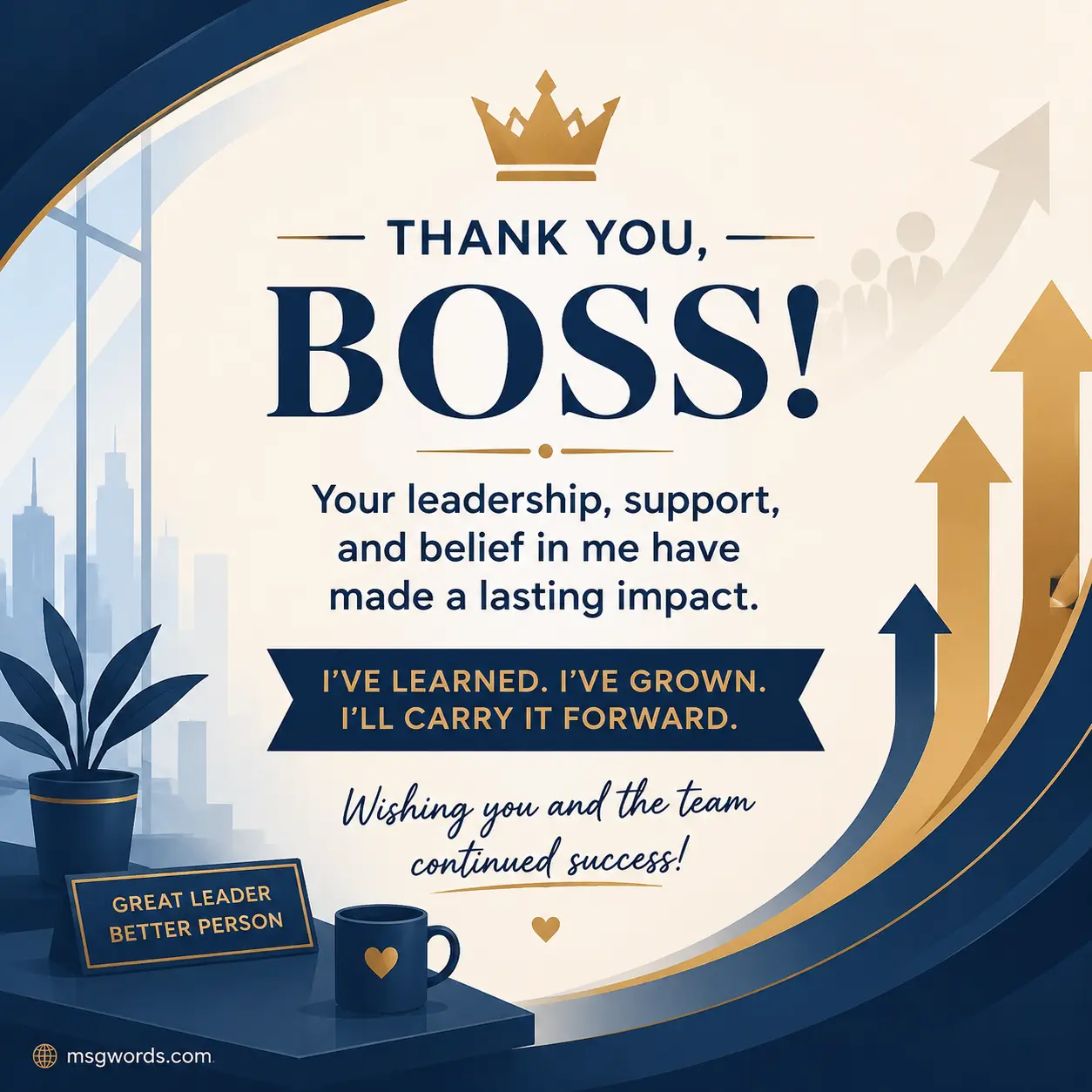
Thank you for your leadership, mentorship, and support during my time here. I truly appreciate the opportunities you provided me.
Your guidance has played an important role in my professional development. I’m grateful for everything I’ve learned under your leadership.
I appreciate the trust and confidence you placed in me throughout my journey with the company.
These messages work particularly well because they emphasize growth and respect. According to resignation etiquette experts, manager relationships often become valuable long-term career connections.
Professional Farewell Notes for Teams
Team messages should recognize collaboration and shared experiences. A team farewell is not only about you leaving. It is also about acknowledging the role your coworkers played in your journey.
Good examples include:
It has been a privilege working with such a supportive and talented team.
Thank you all for making even the busiest workdays enjoyable.
I’m grateful for the teamwork, encouragement, and friendships I found here.
These messages feel inclusive because they focus on collective experiences rather than individual achievements.
Emotional Thank You Messages When Leaving Job
Some workplaces become second homes. You spend years celebrating promotions, surviving stressful deadlines, sharing coffee breaks, and building genuine friendships. Leaving those environments can feel surprisingly emotional. In those situations, a heartfelt thank-you message helps express emotions that are difficult to say face-to-face.
An emotional farewell message works best when it feels personal and sincere. Avoid sounding overly dramatic. Instead, focus on gratitude, memories, and appreciation.
It’s hard to put into words how much this team has meant to me. What started as coworkers quickly became friendships I’ll always value.
Thank you for the laughter during stressful days, the support during difficult moments, and the countless memories we created together. Leaving this place is bittersweet because while I’m excited for the future, I know I’ll deeply miss the people here.
You all made work feel less like work and more like a community. I’ll always be grateful for that.
Saying Goodbye After Years of Friendship
Long-term coworkers often become close friends. Emotional thank-you messages help acknowledge those relationships honestly. Maybe you survived impossible deadlines together or celebrated personal milestones side by side. Those moments matter.
A meaningful emotional message could say:
Thank you for being more than just coworkers. Your friendship made every challenge easier.
I’ll miss our daily conversations, inside jokes, and teamwork more than words can express.
This office will never feel the same to me without all of you in it.
These messages resonate because they reflect real experiences rather than generic workplace language.
Messages That Express Genuine Appreciation
Authenticity matters. Readers can instantly tell when a farewell note sounds copied or robotic. The most memorable thank-you messages mention specific qualities or experiences.
For example:
Thank you for always believing in me, especially during moments when I doubted myself.
I appreciate every lesson, every laugh, and every moment of encouragement.
Your kindness and support shaped my experience here more than you probably realize.
The emotional weight of these messages comes from honesty rather than complexity.
Heartfelt Thank You Messages to Colleagues When Leaving Job
Coworkers often become the heartbeat of any workplace. Deadlines, meetings, and projects become easier when surrounded by supportive people. A heartfelt thank-you message to colleagues should recognize those everyday moments that made work meaningful.
According to workplace appreciation studies, personalized gratitude leaves a stronger emotional impact than generic praise. That means your farewell message should sound human, not corporate.
Messages for Supportive Coworkers
Supportive coworkers deserve acknowledgment because they influence your daily experience more than policies or office perks ever could.
Examples include:
Thank you for always being willing to help, encourage, and support me.
I genuinely appreciate the positivity and kindness you brought into every workday.
Working with people like you made even difficult projects enjoyable.
These messages work because they highlight emotional contribution rather than job performance alone.
Thank You Notes for Mentors at Work
Mentors leave lasting marks on careers. They guide, advise, and challenge you to improve. Leaving without thanking them feels incomplete.
A mentor thank-you message might say:
Your mentorship changed the way I approach both work and growth.
Thank you for investing your time, wisdom, and patience in me.
I’ll carry the lessons you taught me throughout my career.
Mentorship appreciation creates powerful professional goodwill because it acknowledges someone’s long-term impact on your development.
Short Thank You Messages When Leaving Job
Not every farewell requires a long emotional email. Sometimes short messages work better, especially for workplace chats, LinkedIn updates, or quick goodbye notes.
Short messages are effective because they are easy to read and emotionally direct.
Simple One-Line Farewell Messages
Thank you for the memories, support, and friendship.
Grateful for every lesson and every laugh shared here.
It’s been an incredible journey working with all of you.
Thank you for making this chapter unforgettable.
Wishing everyone continued success and happiness.
Short messages can still carry emotional weight when written sincerely.
Quick Goodbye Notes for Emails and Chats
Modern workplaces often rely on Slack, Teams, or quick emails for communication. In those environments, concise messages feel more natural.
Examples include:
Thanks everyone for the amazing experience and support over the years.
I’ve truly enjoyed working with this team and will miss you all.
Appreciate all the friendships and lessons I’m taking with me.
Even brief messages can strengthen relationships if they feel authentic.
Funny Thank You Messages When Leaving Job
Humor can make farewells more memorable and less awkward. Funny thank-you messages work especially well in relaxed workplace cultures where coworkers shared jokes and casual friendships.
The goal is lightheartedness, not sarcasm or negativity. Think playful, warm, and relatable.
Thank you all for the laughs, teamwork, coffee breaks, and pretending to understand Excel formulas with me for all these years.I’m leaving with unforgettable memories, lifelong friendships, and absolutely zero knowledge of where the office keeps the “important” files.
Wishing you all success, happiness, and fewer Monday morning meetings than we survived together!
Lighthearted Farewell Messages
Funny goodbye notes can instantly make coworkers smile. Examples include:
Thank you for making work feel slightly less like work.
I’m leaving, but the office snacks will always remind me of you.
Goodbye everyone. I’ll miss you almost as much as I’ll miss payday.
Thanks for all the laughs and for tolerating my endless coffee addiction.
Humor creates emotional warmth because laughter strengthens connection.
Humorous Office Goodbye Examples
Workplace humor often revolves around shared experiences:
Situation
Funny Message
Endless meetings
“I won’t miss the meetings, but I’ll definitely miss the people stuck in them with me.”
Coffee culture
“Thank you for fueling both my career and caffeine addiction.”
Team projects
“We survived impossible deadlines together, so honestly, we deserve awards.”
Office technology
“I’m leaving before the printer wins the war against me.”
Funny messages become memorable because they reflect real office life.
Appreciation Messages For Boss When Leaving Job
A good boss can transform a stressful job into a meaningful career experience. Appreciation messages for a boss should recognize leadership, mentorship, trust, and opportunities.
According to resignation experts, maintaining positive relationships with supervisors significantly benefits long-term career growth.
Thanking a Supportive Boss
Examples include:
Thank you for your constant encouragement and belief in my abilities.
Your leadership helped me grow both professionally and personally.
I appreciate the opportunities you gave me to learn and succeed.
These messages sound respectful while still feeling warm and genuine.
Respectful Goodbye Messages for Leadership
Leadership-focused farewell messages should remain polished and professional.
Examples:
I’m grateful for the chance to work under such inspiring leadership.
Thank you for creating an environment where growth and collaboration were valued.
Your guidance has had a lasting impact on my career journey.
Strong leadership appreciation reflects professionalism and emotional intelligence.
Goodbye And Thank You Messages When Leaving Job
Sometimes you need a balanced farewell message that combines goodbye wishes with gratitude. These all-purpose messages work well for company-wide emails or group chats.
Group Farewell Messages
A group message should feel inclusive and positive.
Examples include:
Thank you all for being part of such an incredible chapter in my life.
Goodbye and thank you for every lesson, laugh, and memorable experience.
I’ll always appreciate the friendships and support I found here.
These messages create emotional closure while remaining professional.
Remote Team Goodbye Messages
Remote work has changed workplace relationships dramatically. Virtual teams still build strong emotional connections despite physical distance.
A remote farewell message could say:
Even though we worked through screens and video calls, the support and teamwork always felt real.
Thank you for making remote collaboration feel personal and connected.
I’ll miss our virtual meetings, chats, and teamwork more than I expected.
Modern farewell messages increasingly recognize digital workplace culture.
Common Mistakes to Avoid in Farewell Messages
A thank-you message can strengthen relationships, but a poorly written farewell can damage them. One major mistake people make is oversharing negative experiences. Even if your job was frustrating, your goodbye note should never become a complaint letter. Venting emotions publicly may feel satisfying temporarily, but it can harm your professional image long term.
Another common mistake is writing messages that sound robotic or copied from the internet. People connect with authenticity. A simple honest message is more powerful than a dramatic speech filled with generic phrases. Experts consistently recommend “specific gratitude” instead of vague appreciation because it feels more meaningful.
Avoid disappearing silently too. While some employees prefer quiet exits, skipping a farewell entirely can unintentionally appear cold or dismissive. Even a short thank-you note demonstrates professionalism and maturity. At the same time, balance matters. You do not need to write a novel to say goodbye effectively.
Conclusion
Leaving a job is rarely just about changing workplaces. It often represents growth, change, risk, excitement, and reflection all at once. The relationships you build during your career become part of your professional identity, which is why farewell thank-you messages matter so much. They create closure, strengthen connections, and leave behind positive memories that may benefit you for years to come.
Whether you choose a professional note, an emotional farewell, a funny goodbye, or a short message filled with gratitude, sincerity is what matters most. The best thank-you messages are not the fanciest ones. They are the ones that sound real. A few honest words can leave a stronger impact than the most polished corporate email ever written.
Your final message at work becomes your final handshake with the people who shared part of your journey. Make it meaningful.
FAQs
What is the best thank you message when leaving a job?
The best message is one that sounds sincere, appreciative, and personal. Mention gratitude, teamwork, and positive memories while keeping the tone professional.
Should I send a farewell email to everyone at work?
It depends on your workplace culture and role. Team-wide or company-wide messages are common in many organizations, especially when you worked closely with multiple departments.
How emotional should a goodbye message be?
A farewell note can be emotional if you had close relationships at work, but avoid becoming overly personal or negative. Balance warmth with professionalism.
Can I write a funny farewell message?
Yes, especially if your workplace culture is casual and friendly. Funny messages often make goodbyes more memorable and enjoyable.
Should I thank my boss when resigning?
Absolutely. Even if your relationship was strictly professional, thanking your boss for opportunities, mentorship, or guidance demonstrates maturity and professionalism.
Jasper Cade is a 27-year-old American writer living in Fort Collins, Colorado. His professional background includes blogging, SEO writing, and developing informative content across a variety of niches. He is passionate about transforming complex subjects into practical advice while maintaining high editorial standards and factual accuracy. As a contributor to msgwords.com, Jasper is dedicated to producing dependable content that serves readers with clarity and integrity.